



Nullam dignissim, ante scelerisque the is euismod fermentum odio sem semper the is erat, a feugiat leo urna eget eros. Duis Aenean a imperdiet risus.

A good story can entertain us for an afternoon, but a truly meaningful story can stay in our thoughts for years. We may remember a character who faced a difficult choice, a relationship that changed unexpectedly, or a quiet moment that felt strangely familiar. That is the power of emotional storytelling. Emotional storytelling novels invite us to connect with characters on a deeper level, while character-driven fiction books place human choices, feelings, relationships, and personal growth at the heart of the story.


At Sboyle Womens Fiction, we value stories that feel personal and thoughtful. As readers and writers, we believe fiction can give us more than an escape. It can help us reflect on relationships, resilience, identity, change, and the many complicated emotions that shape everyday life.


Why Emotional Stories Feel So Personal

Some stories feel close to home even when the characters live completely different lives from ours. The reason is often emotion. Love, grief, hope, disappointment, fear, friendship, regret, and courage are feelings most people understand.


When we read emotional storytelling novels, we are not simply following a sequence of events. We are often asking ourselves what we would do in the same situation. Would we forgive someone? Would we walk away? Would we take another chance? These questions can make a fictional story feel surprisingly real.


Research into reading and empathy has also explored how fiction can help readers understand perspectives different from their own. A 2013 study published in Science found an association between reading literary fiction and performance on some measures of social cognition. While fiction does not automatically make every reader more empathetic, the research adds to an interesting conversation about how stories may encourage us to think about other people’s experiences.


For us, that emotional connection is one of the most rewarding parts of reading.


How Character Driven Fiction Builds Connection

Plot matters, but characters often determine whether we truly care about what happens next. A strong character does not need to be perfect. In fact, flaws can make a character more believable.


Character-driven fiction books focus strongly on the people within the story. Their decisions influence the direction of the plot. Their fears create conflict. Their relationships bring change. Their mistakes may become the turning points that readers remember.


We tend to connect with characters who feel human. They may hesitate before making a decision. They may say something they regret. They may struggle to understand what they really want. These details create emotional depth without making a story feel forced.


A memorable character can also change throughout a novel. Perhaps someone who begins the story unsure of herself gradually learns to trust her judgment. Another character may discover that holding onto the past prevents her from moving forward. Such changes give readers something meaningful to follow beyond the basic plot.


What Makes Emotional Storytelling Memorable

Not every sad story is emotionally powerful. Emotional storytelling works best when feelings grow naturally from the characters and circumstances.


We look for several qualities when considering what makes a story emotionally engaging.


Authentic conflict: Characters should face problems that matter to them. The conflict should affect their choices and relationships.


Meaningful relationships: Friendships, family connections, romantic relationships, and personal bonds can give a story emotional weight.


Personal growth: Readers often want to see what characters learn from difficult experiences.


Specific details: Small moments can sometimes communicate more than dramatic scenes. A forgotten birthday, an old photograph, an unfinished conversation, or a familiar place can carry significant emotional meaning.


Emotional honesty: Characters do not always need to have the right answer. Their uncertainty can make them more relatable.


This is where emotional storytelling novels can stand apart from stories that depend mainly on action or unexpected twists. The emotional journey becomes part of what keeps us reading.


Why Realistic Characters Matter in Fiction

We do not need to agree with every character to understand them. Sometimes the most interesting characters make choices we would never make ourselves.


Realistic characters have motivations. They have histories. They carry memories and assumptions into new situations. Their past experiences can influence how they respond to people around them.


This is a key strength of character-driven fiction books. Instead of making characters behave only to move the plot forward, character driven stories allow decisions to grow from personality and experience.


We also appreciate characters who have more than one side. Someone can be confident at work but uncertain in a personal relationship. A loving parent can still make mistakes. A strong friend can have moments of vulnerability. These contradictions are part of real life.


When writers allow characters to have this kind of depth, readers can see themselves in unexpected places. We may recognize a fear we have experienced or understand a decision that once seemed impossible to explain.


Choosing Stories That Leave a Lasting Impression

With so many books available, choosing the right story can sometimes feel difficult. We suggest starting with the kind of emotional experience you want from your reading.


If you enjoy stories centered on personal transformation, look for books where character growth plays an important role. If relationships interest you most, consider fiction that gives meaningful attention to family, friendship, or romance. If you prefer realistic situations, look for stories grounded in recognizable emotions and everyday choices.


You can also read the book description carefully. Does it introduce a character with a clear personal conflict? Does it suggest meaningful relationships or emotional growth? Does the premise make you curious about what the character will do next?


At Sboyle Womens Fiction, our approach to writing reflects a broader interest in personal growth, resilience, health, science, and everyday experiences. With a background spanning family medicine, healthcare, and science, SB Wade brings a perspective shaped by decades of learning and practical experience. That interest in making complex ideas accessible also supports a writing style focused on meaningful subjects and relatable human experiences.


Ultimately, the best book is often the one that makes us pause after we finish the final page. We may think about a character while making breakfast the next morning. We may remember a conversation from the story weeks later. Sometimes, we may even see a familiar part of our own lives differently.


That lasting connection is what makes emotionally rich fiction worth returning to.


Frequently Asked Questions


What are emotional storytelling novels?

Emotional storytelling novels are books that place strong emphasis on feelings, relationships, personal challenges, and character development. Instead of relying only on plot twists or action, these stories explore how characters respond to meaningful experiences and how those experiences shape their lives.


What are character-driven fiction books?

Character-driven fiction books are stories in which the characters’ personalities, decisions, relationships, and personal growth strongly influence the plot. The story develops through what the characters want, fear, choose, and learn rather than depending only on external events.


Why do readers connect with emotional fiction?

Readers often connect with emotional fiction because it explores familiar human experiences. Themes such as love, loss, family, friendship, uncertainty, hope, and personal change can feel relatable even when the characters and settings are fictional.


Can emotional fiction also be uplifting?

Yes. Emotional fiction does not have to be entirely sad or serious. A story can explore difficult experiences while also focusing on hope, resilience, humor, friendship, personal growth, and new beginnings. Emotional depth and optimism can work together naturally.


What should I look for in a character driven novel?

Look for characters who have clear motivations, believable flaws, meaningful relationships, and room to grow. A strong character driven novel should make you curious about the character’s choices and invested in how those choices affect the story.
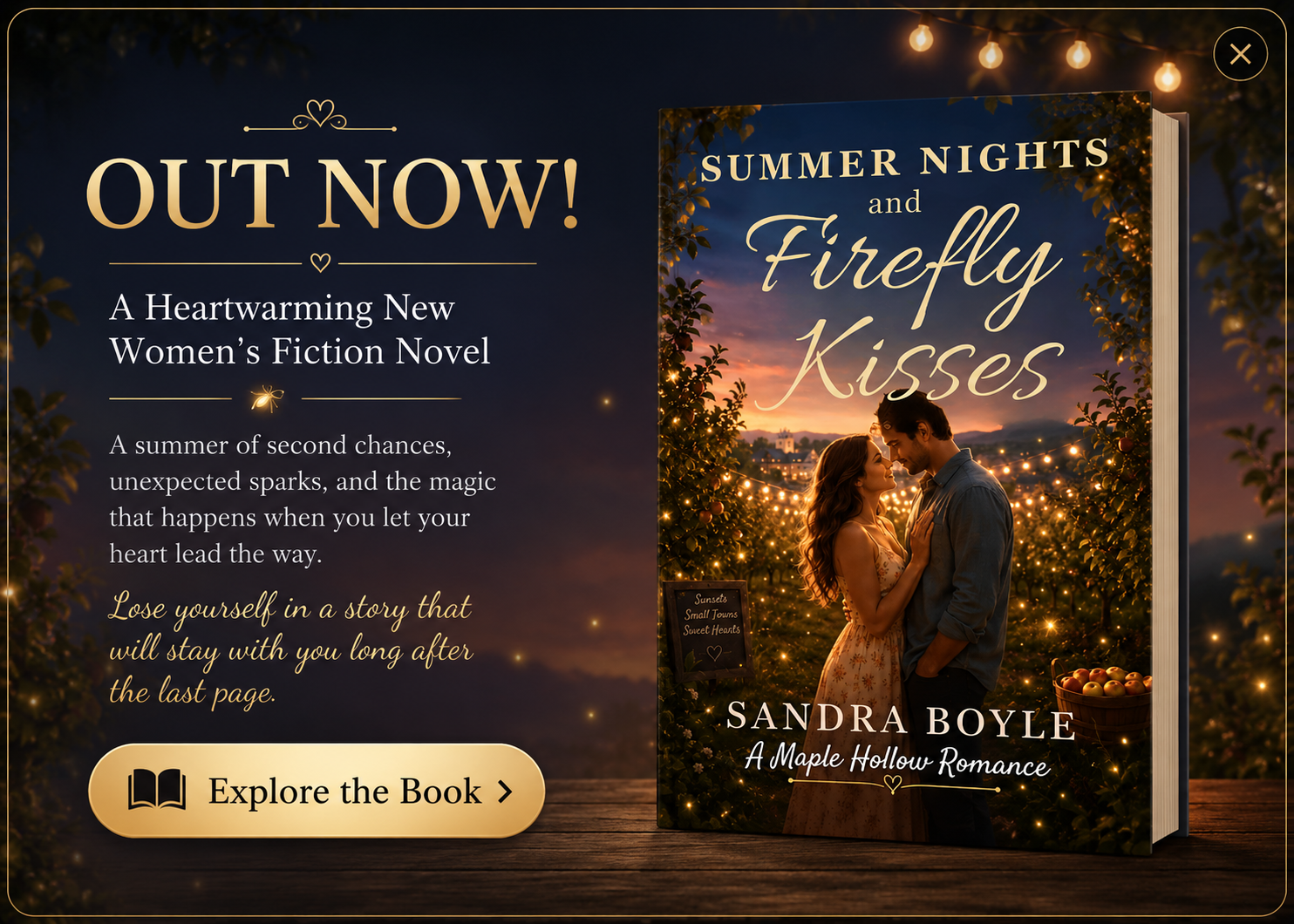
Some stories entertain us for an evening. Others stay with us long after we close the book. They make us think about a choice we made, a relationship we lost, or a version of ourselves we may have left behind.


That is where meaningful women’s fiction can make such a difference.


At Sboyle Womens Fiction, we believe the best stories do more than tell us what happens next. They give us characters who feel real, face difficult choices, make mistakes, find courage, and slowly learn what they truly want. For readers looking for strong female lead fiction and emotional healing fiction books, these stories can offer both an engaging escape and a thoughtful look at personal growth.


Our collection reflects themes such as love, friendship, independence, second chances, reinvention, and the many changes women face throughout life.


Why Strong Female Characters Stay With Us

Think about the last fictional woman who truly impressed you. Was she fearless from the first page?


Probably not.


The most memorable characters often have doubts. They may question their choices, struggle with relationships, or wonder whether they are capable of starting again. What makes them strong is not the absence of fear. It is the decision to keep moving despite it.


That is one reason we enjoy writing and reading stories centered on believable women. Strength can look very different from one character to another.


Sometimes strength means leaving an unhealthy relationship.


Sometimes it means speaking honestly after years of silence.


Sometimes it means choosing a new career, rebuilding a friendship, forgiving yourself, or simply admitting that your old life no longer fits.


Women’s fiction gives these moments room to breathe. Rather than reducing a woman to one role, it can explore her hopes, flaws, relationships, responsibilities, and dreams at the same time.


Our website describes women’s fiction as stories built around relatable characters, personal growth, love, career, friendship, and real life journeys.


How Emotional Healing Becomes Part of the Story

Healing is rarely neat.


Real people do not wake up one morning and suddenly feel completely fine. We often carry memories, regrets, disappointments, and questions with us while trying to build something better.


Good fiction understands this.


A character may begin a story after heartbreak, loss, disappointment, divorce, family conflict, or another major change. The plot then becomes more than a sequence of events. It becomes a record of how she responds to those events.


This is where emotional healing fiction books can feel especially meaningful.


We may recognize a feeling before we recognize the reason behind it. A character who struggles to trust again may remind us of our own hesitation. Someone learning to set boundaries may encourage us to think about our own relationships. A woman beginning again after a major life change may remind us that starting over does not have an expiration date.


The story does not have to give us a solution. Sometimes it simply gives us language for something we have been feeling.


And sometimes, that is enough to make a book unforgettable.


What Makes Strong Female Lead Fiction So Powerful?

A strong female lead does not need to be perfect.


In fact, perfection can make a character difficult to believe.


We connect more easily with women who make complicated decisions. They can be confident in one situation and uncertain in another. They can love someone deeply and still know when they need to walk away. They can make mistakes without allowing those mistakes to become their entire identity.


That balance creates emotional depth.


For us, a compelling female lead usually has three qualities.


She has agency.
She makes meaningful choices instead of simply reacting to everyone around her.


She has emotional depth.
We see her fears, hopes, relationships, disappointments, and private thoughts.


She changes.
By the final pages, she understands something about herself that she did not understand at the beginning.


This kind of character can make readers laugh, cry, become frustrated, and cheer all within the same book.


That emotional range is part of what makes women’s fiction so rewarding.


Why Emotional Healing Fiction Books Feel So Personal

Have you ever finished a novel and thought, “That character understood exactly how I feel”?


That reaction is one of the quiet pleasures of reading.


Stories can create a safe space where difficult emotions become easier to examine. We can look at grief, loneliness, regret, love, forgiveness, or self doubt through the life of another person.


This does not mean a novel replaces professional support when someone needs it. Fiction is not therapy. But a thoughtful story can encourage reflection and help readers feel less alone in experiences that are common but deeply personal.


Research on reading and psychological wellbeing has also explored how fiction can support empathy and social understanding. A 2013 meta analysis published in Science found evidence that reading literary fiction can have a positive effect on some measures of social cognition, although researchers continue to study the size and limits of these effects.


For us, the appeal is simple. A good book invites us to pause.


We put aside the noise of everyday life and spend time with a character who is trying to understand her own life. Along the way, we may understand a little more about ours.


Choosing a Story That Speaks to You

Not every reader wants the same emotional journey.


Some days, we want romance and warmth. Other times, we want a story about independence, reinvention, friendship, or starting over. Sometimes we want a book that makes us laugh. Sometimes we are ready for something deeper.


That is why we recommend choosing a story based on your mood as much as its genre.


If you want a character driven story, look for a book where personal growth is central to the plot.


If you want emotional depth, consider emotional healing fiction books that explore relationships, loss, forgiveness, and new beginnings.


If you want an inspiring heroine, choose strong female lead fiction where the main character has meaningful choices and a clear emotional journey.


Our collection includes themes such as second chances, empowered women, small town romance, and life reinvention, along with both standalone novels and series.


Most importantly, give yourself permission to read what speaks to you right now.


The right book can arrive at exactly the right moment.


Frequently Asked Questions


1. What is strong female lead fiction?

Strong female lead fiction centers on women who make meaningful choices, face realistic challenges, and grow through their experiences. Strength can involve courage, independence, emotional honesty, resilience, or the willingness to make difficult changes.


2. What are emotional healing fiction books?

Emotional healing fiction books are stories that explore themes such as grief, heartbreak, forgiveness, personal growth, self acceptance, relationships, and starting over. They can encourage reflection while offering an engaging fictional journey.


3. Do strong female characters have to be independent?

No. Independence is only one form of strength. A strong character can value relationships, ask for help, change her mind, or depend on others while still maintaining her identity and making meaningful choices.


4. Can women’s fiction be both romantic and emotionally deep?

Absolutely. Romance can exist alongside themes of identity, friendship, family, personal growth, and healing. Many women’s fiction stories combine relationships with broader emotional journeys, which can make the characters feel more complete and relatable.


5. How can I choose the right women’s fiction book?

Start with the emotion or theme you want to explore. If you want hope after a difficult chapter, look for stories about reinvention and second chances. If you want an inspiring heroine, choose strong female lead fiction. If you want deeper emotional themes, try emotional healing fiction books.


A Story Can Remind Us of Our Own Strength

We often turn to books when we want to escape, but the best stories can do something more.


They can remind us.


They remind us that people can change. That relationships can evolve. That mistakes do not have to define an entire life. That starting over can be frightening and still be worthwhile.


Most of all, they remind us that strength does not always arrive with a dramatic moment. Sometimes it appears in a quiet decision to try again.


That is the kind of storytelling we value.


Whether you are searching for a heartfelt romance, a woman rebuilding her life, or a character finding her voice after years of doubt, we believe the right story can meet you exactly where you are.


And when the final page arrives, perhaps you will close the book feeling that little bit stronger yourself.

Love stories are rarely only about romance. The best women’s fiction also explores identity, independence, friendship, family, difficult choices, and the courage to begin again. When we read about women facing real emotional struggles, we often see pieces of our own lives in their decisions. That is what makes relationship-centered fiction feel personal rather than predictable.

Why Love Stories Feel So Personal

What makes us turn one more page when we know we should be sleeping?

For many readers, it is not simply the promise of romance. It is curiosity about what a woman will do when love becomes complicated.

Real relationships are rarely simple. People change. Priorities shift. Families grow. Friendships evolve. Sometimes two people love each other but want completely different things. At other times, a woman has spent so much time caring for everyone else that she finally has to ask herself what she wants.

That is where meaningful women’s fiction can make a difference.

We enjoy stories where romance matters, but it does not define the entire woman. We want characters who have dreams, doubts, careers, friendships, families, mistakes, and personal goals. We want them to make choices that feel believable.

Research also gives us an interesting reason to value immersive fiction. Studies have found relationships between emotionally engaging fiction and aspects of empathy and social understanding. One experimental study found that readers who became strongly emotionally transported into fictional stories showed changes in empathy over time.

For us, that makes sense. When we spend hours inside a character’s thoughts, her fears and hopes can begin to feel surprisingly familiar.

Women’s fiction focused on love and relationships

Women’s fiction focused on love and relationships gives us room to look beyond the simple question of whether two people will fall in love.

Instead, we can ask better questions.

What happens when a woman falls in love after years of putting herself last?

What happens when an old relationship returns?

Can someone build a new life after heartbreak?

What does love look like when a woman finally knows her own worth?

These questions create stories with emotional depth.

The romance may be important, but the woman remains at the center of the story. Her choices matter. Her voice matters. Her growth matters.

This is one reason we connect so strongly with stories about second chances, personal reinvention, friendship, and starting over. They reflect experiences that many readers understand, even when the circumstances are completely different.

At SBoyle Womens Fiction, our collection brings together contemporary romance and women’s fiction built around relatable characters, emotional journeys, personal growth, and relationships. The website also features themes such as second chances, empowered women, small town romance, and life reinvention.

That combination gives readers more than a love story. It gives us a woman worth following.

What Makes a Strong Female Character Memorable

A strong woman in fiction does not have to be fearless.

In fact, we often find the most memorable characters are women who are scared but keep moving forward.

Strength can look quiet.

It can be a woman saying no when she has always said yes.

It can be someone leaving a situation that no longer feels right.

It can be choosing to return to school, change careers, repair a friendship, raise a family alone, or simply admit that she wants something different.

A believable female character should also have flaws.

Perfect characters rarely feel real. We connect more easily with women who make mistakes, misunderstand people, regret decisions, lose their patience, and sometimes choose badly. What matters is what they do next.

That is why strong female lead fiction can feel so satisfying. We are not simply watching a powerful woman win every battle. We are watching her learn how to handle life.

Her strength may grow slowly.

Sometimes, that is the most powerful kind of growth.

Strong female lead fiction and real-life choices

When we talk about strong female lead fiction, we should not reduce strength to independence alone.

A strong female character can want love.

She can want marriage.

She can want a family.

She can also decide that she does not want any of those things.

Strength comes from having the freedom to make an honest choice and accept its consequences.

This is especially important in relationship stories.

A woman should not have to become smaller to make a romance work. She should not have to abandon every personal goal simply because she falls in love. At the same time, a strong character can compromise, communicate, forgive, and admit when she is wrong.

That balance makes relationships feel human.

We also love characters who surprise us. Perhaps she appears confident but privately worries about being alone. Maybe she has built a successful career but struggles with intimacy. Perhaps she has spent years caring for others and suddenly realizes she has forgotten how to care for herself.

These contradictions create depth.

They also create the moments that make readers say, “I understand her.”

Our own lives contain contradictions. Fiction becomes more meaningful when its characters do too.

Why These Stories Stay With Us

Some books entertain us for an afternoon.

Others stay in our thoughts for days.

The difference is often emotional connection.

A memorable women’s fiction story can make us think about a conversation we avoided, a relationship we misunderstood, or a decision we postponed. Sometimes a fictional character gives us the courage to look at our own lives from a different angle.

That does not mean every book needs to teach a lesson.

Sometimes we simply need a good story.

We need to laugh with a character. We need to worry about her. We need to hope that she makes the right choice. We need to close the book and feel that we have spent time with someone who mattered.

That is the appeal of relationship-driven women’s fiction.

It allows love to be part of the story without making love the entire story.

We can explore romance alongside independence, friendship, family, aging, confidence, loss, new beginnings, and personal identity.

For readers looking for their next story, the current SBoyle Womens Fiction collection includes women’s fiction titles such as The Life She Didn’t Choose, The Forgetting Season, and The First Forgetting, alongside contemporary romance titles.

Frequently Asked Questions

1. What is women’s fiction focused on love and relationships?

Women’s fiction focused on love and relationships usually explores romantic relationships alongside other parts of a woman’s life, including friendship, family, personal growth, career, identity, and major life changes.

2. What makes strong female lead fiction different?

Strong female lead fiction places a capable and emotionally developed woman at the center of the story. She can face difficult situations, make mistakes, learn from them, and make meaningful decisions about her own future.

3. Does women’s fiction always include romance?

No. Women’s fiction can focus on friendship, family, personal identity, career, grief, independence, or major life transitions. Romance may be included, but it does not have to drive the entire story.

4. Why do readers connect with relationship stories?

Relationship stories often reflect emotions that readers recognize in their own lives. Love, disappointment, hope, conflict, forgiveness, and change are familiar human experiences, which can make fictional relationships feel deeply relatable.

5. Are women’s fiction books suitable for book clubs?

Absolutely. These stories can encourage thoughtful conversations about relationships, personal choices, friendship, family, and personal growth. SBoyle Womens Fiction also notes that many women’s fiction stories work well for book clubs and may include discussion questions or guides.

Final Thoughts

We believe the best women’s fiction does not ask us to choose between love and independence.
It lets women want both.
It gives characters the freedom to make mistakes, change their minds, fall in love, walk away, start again, and become more comfortable with who they are.
That is why stories about relationships can feel so much bigger than romance.
They are really stories about people.
And sometimes, the woman we meet on the page reminds us of something important about ourselves.
 

Starting over is rarely easy. It asks us to leave behind what feels familiar and step into a future that is uncertain. Yet, some of life’s most meaningful transformations begin with one brave decision to move forward. Whether it follows a personal loss, a career shift, a divorce, or a long overdue dream, a fresh beginning often reveals strengths we never knew we had.

At SBoyle Womens Fiction, we believe every ending creates space for a new beginning. Through heartfelt storytelling, we explore the emotions, challenges, and victories that shape women as they rebuild their lives with courage and hope.

Women Starting Over Novels Continue to Inspire Readers

There is something deeply relatable about stories where women choose a new path after life’s unexpected twists. Women starting over novels resonate because they remind us that change is possible at any age or stage of life.

Many readers see parts of themselves in these characters. Some have faced heartbreak. Others have experienced career setbacks, family struggles, or moments when they questioned their purpose. Watching fictional women rebuild their confidence offers more than entertainment. It offers hope.

According to research from the American Psychological Association, resilience often develops through overcoming difficult experiences. Stories that highlight perseverance can encourage readers to approach their own challenges with greater confidence.

As readers, we are not simply following a character’s journey. We are reflecting on our own. Every chapter becomes a reminder that healing is rarely perfect, yet it is always possible.

Self Discovery Women’s Fiction Helps Us See Ourselves

The beauty of self discovery women’s fiction lies in its honesty. These stories explore what happens when women stop living according to other people’s expectations and begin listening to their own voices.

Self discovery is not always dramatic. Sometimes it begins with small choices.

Choosing peace over perfection.

Choosing courage over fear.

Choosing authenticity instead of approval.

That is why readers connect so deeply with this genre. It reflects everyday emotions while offering meaningful growth. We recognize the uncertainty, the setbacks, and the quiet victories because they mirror real life.

The most memorable stories remind us that discovering ourselves is not about becoming someone new. It is about uncovering who we have always been beneath the responsibilities and expectations.

The Emotional Journey Behind Every Fresh Beginning

Every fresh start comes with emotional challenges. Fear often arrives before confidence. Doubt may appear before clarity. Yet these moments are what make transformation believable.

In many women starting over novels, readers witness characters learning valuable lessons such as:

●      Accepting that healing takes time

●      Building healthier relationships

●      Learning to forgive themselves

●      Rediscovering forgotten dreams

●      Creating a future based on personal values

These emotional milestones feel authentic because they reflect experiences many women share.

At SBoyle Womens Fiction, our stories embrace these moments with compassion rather than unrealistic perfection. We understand that true growth comes from embracing imperfections while continuing to move forward.

What Makes Great Women’s Fiction So Memorable

Not every novel stays with us long after we finish reading. The ones that do often share several qualities.

Authentic Characters

Readers appreciate women who feel genuine rather than flawless. Real struggles create meaningful emotional connections.

Emotional Depth

The strongest stories explore hope, grief, forgiveness, friendship, family, and love with honesty.

Personal Growth

The heart of self discovery women’s fiction is transformation. Readers enjoy seeing characters evolve through their own choices and experiences.

Realistic Challenges

Life rarely follows a straight path. Great fiction reflects unexpected setbacks alongside meaningful victories.

Hope Without Fantasy

Readers appreciate endings that feel earned. Optimism becomes far more powerful when characters overcome believable obstacles.

These qualities explain why readers continue returning to women starting over novels year after year.

Women Starting Over Novels That Stay With Us Long After the Final Page

Books have an incredible ability to comfort, inspire, and encourage us when we need them most.

The best women starting over novels remind us that no chapter defines an entire life. A difficult season does not determine our future. Every new decision creates another opportunity to grow.

Likewise, self discovery women’s fiction encourages readers to reflect on their own lives with compassion instead of judgment. These stories gently remind us that change is not something to fear. It is often where our greatest strengths emerge.

Whether we are searching for healing, purpose, confidence, or simply an uplifting story, meaningful women’s fiction offers more than entertainment. It becomes a trusted companion during life’s transitions.

When we read these stories together, we discover something remarkable. Every ending quietly carries the possibility of a beautiful beginning.

Frequently Asked Questions

1. What are women starting over novels?

These novels focus on women rebuilding their lives after significant life changes such as divorce, career shifts, personal loss, or major transitions. They celebrate resilience, hope, and new beginnings.

2. Why is self discovery women’s fiction so popular?

Readers connect with these stories because they explore personal growth, emotional healing, and finding one’s authentic identity through relatable experiences.

3. Who enjoys reading women starting over novels?

Anyone who appreciates emotionally rich storytelling, inspiring characters, and meaningful life journeys can enjoy this genre. Although many readers are women, these stories resonate with a broad audience.

4. What themes are common in self discovery women’s fiction?

Common themes include resilience, healing, family relationships, friendship, personal transformation, forgiveness, confidence, and finding purpose.

5. Where can readers discover more stories like these?

Readers can explore the collection available through SBoyle Womens Fiction, where heartfelt storytelling celebrates resilience, personal growth, and the courage to embrace life’s next chapter.

popup-women